
Popular Shed Foundation Service Products for Reliable Support
Explore a selection of trusted products that help create stable and long-lasting shed foundations for any project.
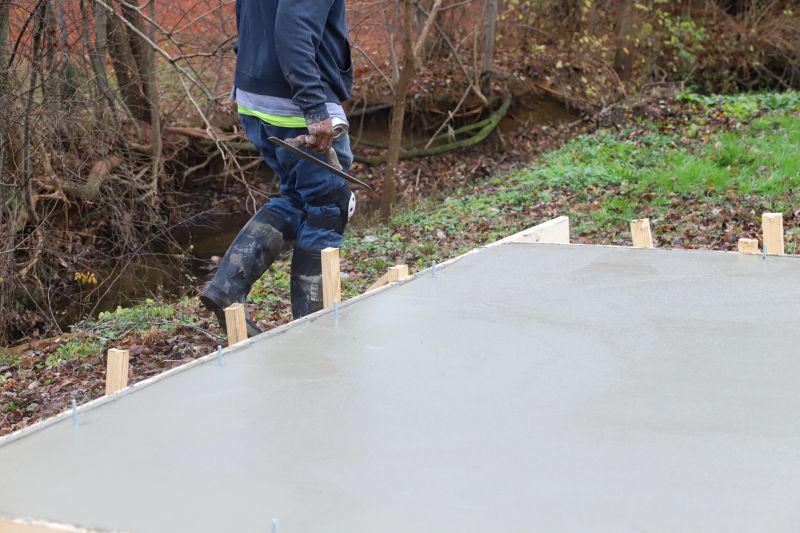 Establishing a sturdy foundation is essential for the longevity and stability of a shed. Selecting the right products for shed foundation service involves understanding various options that cater to different ground conditions, shed sizes, and installation preferences. Proper foundation materials help distribute the weight of the shed evenly, prevent shifting, and protect the structure from moisture and pests. Whether constructing a new shed or repairing an existing foundation, choosing appropriate products ensures a durable and reliable base.
Top Overall Option
Concrete Block Foundation System
A concrete block foundation system offers a versatile and stable base for sheds. It provides excellent load distribution and can be customized to fit various shed sizes. The blocks are durable, resistant to pests, and require minimal maintenance, making them a popular choice for many projects.
Types of Products For Shed Foundation Service
Concrete Blocks
Concrete blocks are a common foundation option that provides stability and durability for sheds. They are easy to stack and level, suitable for various ground conditions.
Gravel Pads
Gravel pads promote drainage and are simple to install, making them ideal for DIY projects and uneven terrains.
Paver Stones
Paver stones create a level surface and can be arranged to support shed corners and edges effectively.
Pressure-Treated Wood Frames
Wood frames offer a customizable foundation option, often used with gravel or concrete bases for added support.
Concrete Slabs
A poured concrete slab provides a seamless, solid foundation that minimizes shifting and settling over time.
Pier and Beam Foundations
This method elevates the shed above ground, providing excellent support and air circulation beneath the structure.
Metal Foundation Frames
Metal frames are lightweight and rust-resistant, suitable for quick installation and lightweight sheds.
Plastic Foundation Blocks
Plastic blocks are durable, weather-resistant, and easy to install, often used for lightweight sheds.
Timber Skids
Timber skids allow for easy mobility and support on uneven ground, suitable for temporary or portable sheds.
Stone Pavers
Stone pavers create a decorative and functional base, providing stability and drainage.
Reinforced Concrete Piers
Reinforced concrete piers offer strong support for larger sheds or structures on challenging terrain.
Composite Foundation Panels
Composite panels combine durability with ease of installation, suitable for various shed sizes.
Popular Choices
Concrete blocks remain a popular choice for their durability and straightforward installation process.
Gravel pads are favored for their excellent drainage and ease of setup for DIY projects.
Paver stones are commonly used for creating level, stable bases with a clean appearance.
Wood frames are widely utilized for their adaptability and compatibility with various ground conditions.
Concrete slabs are popular for permanent foundations requiring minimal movement.
Pier and beam setups are chosen for their elevation benefits and support on uneven terrain.
Metal frames are appreciated for their lightweight nature and resistance to rust.
Plastic blocks are gaining popularity due to their weather resistance and ease of installation.
Timber skids are often selected for their mobility and suitability for temporary setups.
Stone pavers are used for their aesthetic appeal and functionality in supporting sheds.
There are numerous types of foundation products available, each suited to specific needs. Some options are designed for easy installation on level ground, while others provide enhanced support for uneven terrain. Many products are engineered to resist moisture infiltration, which can otherwise compromise the integrity of the shed over time. Additionally, considerations such as portability, cost, and ease of maintenance influence the selection process.
Understanding the characteristics of different foundation products can help homeowners and contractors make informed decisions. For example, concrete blocks offer a solid, permanent solution but may require more labor and planning. On the other hand, gravel pads provide excellent drainage and are relatively simple to install, making them suitable for DIY projects. Ultimately, the goal is to choose products that match the specific requirements of the shed and site conditions, ensuring a stable and long-lasting foundation.
Key Buying Considerations
- Ground condition and soil type influence the choice of foundation product.
- Size and weight of the shed determine the necessary support strength.
- Drainage capabilities are important to prevent water accumulation and damage.
- Ease of installation, especially for DIY projects, can impact product selection.
- Longevity and resistance to weather elements ensure a longer-lasting foundation.
- Budget constraints may influence the choice between permanent and temporary solutions.
- Local building codes and regulations should be reviewed before installation.
- Levelness of the terrain affects the type of foundation that can be effectively used.
- Portability or mobility needs may favor lightweight or modular options.
- Maintenance requirements vary; some foundations need regular inspection and upkeep.
- Compatibility with the shed's design and material can impact stability and aesthetics.
- Availability of materials locally can reduce transportation costs.
- Support for larger or heavier sheds may require reinforced or specialized foundations.
- Environmental factors like frost heave or ground shifting should be considered.
This page contains affiliate links. We may earn a commission if you purchase through these links, at no additional cost to you.